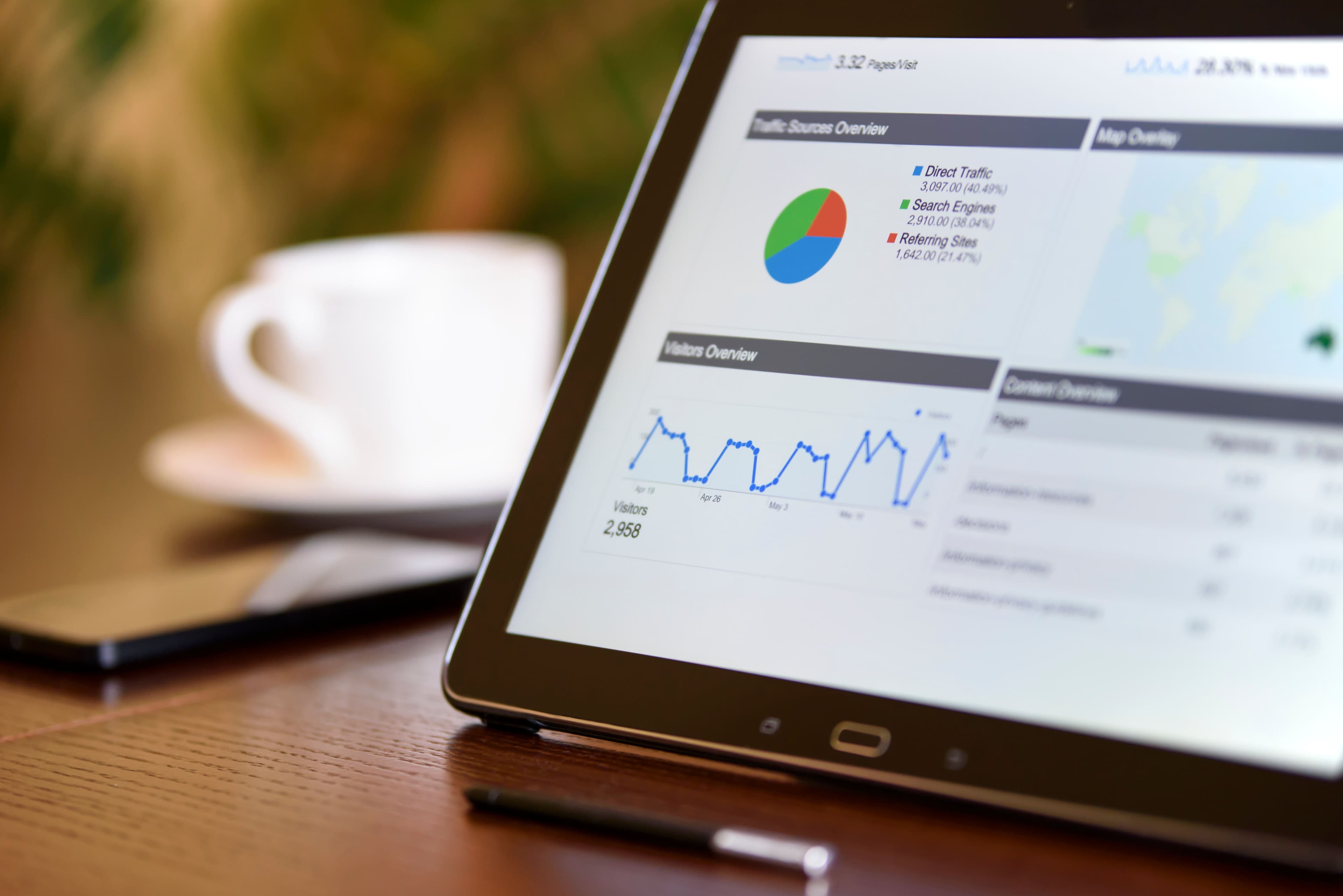
On-page SEO optimization in Dover helps businesses improve how their pages rank and perform in organic search. It covers content, headings, URLs, images, internal links, page speed, and user experience. A strong page also makes it easier for search engines to understand its topic and purpose. This guide explains the key on-page SEO factors you should check in 2026.
What Is On Page SEO Optimization?
On-page SEO optimization is the process of improving elements on your website to support better search visibility. These elements include page content, title tags, headings, URLs, images, links, and technical page features. The goal is simple: help search engines understand your page while giving visitors a useful experience. Good on-page SEO supports both higher rankings and more qualified organic traffic.
Why Does On-Page SEO Matter for Google Rankings?
On-page SEO matters because search engines need clear signals about what each page covers. Your content should match the user's search intent and answer their questions well. Google also considers factors linked to page experience, relevance, usability, and content quality. No single ranking factor guarantees a top position, so your page needs to work as a complete system.
For a Dover business, this means creating pages that answer local search queries clearly. A service page should explain the service, location, benefits, process, and common customer concerns. It shouldn't simply repeat "Dover" across every paragraph.
How Does Search Intent Affect On-Page SEO?
Search intent describes what someone wants when they enter a search query. Understanding that intent helps you create content that actually satisfies the search. For example, someone searching for SEO services Dover may want to compare providers. Someone searching for what is on-page SEO may want a simple explanation.
Before creating or updating a page, ask what the searcher expects to find. Then build the content around that need. This approach improves content relevance and can support stronger engagement.
Which On-Page SEO Elements Should You Optimize?
On-page SEO optimization in Dover includes several elements that work together. Each one gives search engines more context about your page. At the same time, these elements help visitors scan and understand your content. A good optimization process checks the entire page rather than focusing on one keyword.
How Should You Optimize Title Tags?
The title tag tells search engines and users what your page is about. It often appears as the clickable title in organic search results. Keep it clear, specific, and relevant to the page content. Place the main keyword naturally without creating a title that sounds forced.
A strong title can also improve clicks from search results. Avoid vague titles such as "Our Services" when you can be more specific. A better option might describe the service and location clearly.
How Should You Write Meta Descriptions?
A meta description gives searchers more context about a page before they click. It should briefly explain what the page offers and why it may answer their query. Include the primary keyword or a close variation when it fits naturally.
Meta descriptions aren't a simple ranking shortcut. Their main value is helping users understand the page before visiting. Write them for people first, with a clear and useful message.
How Do H1, H2, and H3 Tags Help?
Header tags create a clear content structure. The H1 identifies the main topic, while H2 and H3 headings organize supporting sections. This makes longer pages easier to scan and understand.
Use one clear H1 for the primary page topic. Then use H2 headings for major sections and H3 headings for related points. Don't add headings simply to place extra keywords. Each heading should help the reader navigate the page.
How Should You Optimize URLs?
A good URL is short, descriptive, and easy to understand. It should give users and search engines a basic idea of the page topic. Avoid long strings of numbers, unnecessary words, or complicated parameters when possible.
For example, /on-page-seo-optimization-dover/ is easier to understand than a URL filled with random characters. Use lowercase words and separate terms with hyphens. Keep URLs stable after publishing unless there's a clear reason to change them.
How Does Content Quality Affect Search Rankings?
Content quality plays a major role in effective on-page SEO. High-quality content answers the user's question clearly and provides enough detail to be genuinely useful. It should also be accurate, relevant, original, and easy to read.
Don't write content simply to reach a word count. A 1,500-word page isn't automatically better than a 700-word page. The right length depends on the search intent and topic. Cover the important questions without adding repeated or empty paragraphs.
What Makes Content Relevant?
Relevant content stays focused on the user's query and the page's purpose. It uses related terms naturally and explains important concepts in context. For example, a page about on-page SEO can discuss title tags, internal linking, image SEO, crawlability, and structured data.
This helps establish topic relevance without keyword stuffing. Search engines can also use natural language processing to understand relationships between terms and concepts. You don't need to repeat the same phrase in every paragraph.
What Is E-E-A-T and Why Does It Matter?
E-E-A-T stands for Experience, Expertise, Authoritativeness, and Trustworthiness. These principles help describe what useful and trustworthy content can look like. They're especially important for topics where inaccurate information could cause meaningful harm.
Show relevant experience and expertise where appropriate. Use accurate information, clear authorship, trustworthy sources, and transparent business details. Don't make claims that your content can't support.
How Does Content Freshness Help?
Some searches need current information. SEO practices, software features, regulations, prices, and local business information can change over time. Updating outdated pages can keep them useful and accurate.
Content freshness doesn't mean changing a page every week. Review important pages when the information becomes outdated. Update facts, examples, screenshots, links, and recommendations when needed.
How Do Internal Links Improve SEO?
Internal linking connects related pages across your website. It helps visitors discover useful information and gives search engines more context about your website architecture. Good internal links can also help distribute authority across important pages.
Use descriptive anchor text that tells readers what they can expect after clicking. For example, "learn more about technical SEO" is clearer than "click here." Link related pages naturally rather than adding links to every possible phrase.
How Should You Use Anchor Text?
Anchor text is the visible text used for a link. It should describe the destination page accurately. Natural variations are better than using the exact same keyword repeatedly.
A service page might link to a related guide using terms such as "local SEO strategy" or "technical SEO checklist." The anchor should make sense in the sentence. Avoid stuffing exact-match keywords into every internal link.
Why Is Website Architecture Important?
Website architecture determines how pages are organized and connected. A simple structure helps visitors find important information quickly. It can also make it easier for search engine crawlers to discover and understand your pages.
Keep important pages reasonably close to the main navigation structure. Use categories, internal links, and breadcrumb navigation where they improve usability. Remove unnecessary complexity from the site whenever possible.
How Do Image SEO and Page Speed Support Rankings?
Image SEO improves how images are understood and used on your website. Use relevant file names, suitable formats, descriptive alt text, and properly sized images. Avoid uploading huge images that slow down the page.
Page speed also affects the user experience. Slow pages can frustrate visitors, especially on mobile devices. Compress images, reduce unnecessary scripts, use efficient caching, and review your hosting setup.
What Are Core Web Vitals?
Core Web Vitals measure important parts of page experience. They focus on areas such as loading performance, responsiveness, and visual stability. These measurements help identify problems that can make a page frustrating to use.
Check your website regularly rather than assuming it stays optimized forever. New plugins, scripts, images, and design changes can affect performance. Mobile performance deserves special attention because many local searches happen on phones.
How Should You Write Image Alt Text?
Alt text describes an image for users who can't see it and helps provide useful context. Write it naturally and keep it focused on what the image actually shows. Don't turn alt text into a list of keywords.
For example, an image of a local SEO audit could use alt text such as "SEO specialist reviewing a website audit." If the image is decorative, it may not need descriptive keyword-rich alt text.
What Technical SEO Checks Belong on Your Page?
Technical SEO helps search engines crawl, understand, and index your website. Important checks include crawlability, indexability, canonical tags, mobile optimization, structured data, and page experience. These areas may not be visible to visitors, but they can affect how search engines access your content.
How Do Crawlability and Indexability Work?
Search engine crawlers discover pages by following links and other signals. Crawlability refers to whether crawlers can access your pages. Indexability refers to whether a page can be stored and considered for search results.
Check your robots.txt file, XML sitemap, redirects, internal links, and noindex settings. Make sure important pages aren't accidentally blocked. A page can't earn organic traffic if search engines can't properly access or index it.
Why Are Canonical Tags Important?
Canonical tags help indicate the preferred version of a page when similar URLs exist. This can reduce confusion caused by duplicate or near-duplicate content. They are especially useful for websites with filtering, tracking parameters, or multiple page versions.
Set canonical tags carefully and make sure they point to the correct preferred URL. Don't use them as a substitute for fixing larger website architecture problems.
What Is Schema Markup?
Schema markup is structured data that gives search engines additional information about your page. Depending on the page, it can describe things such as businesses, products, services, articles, events, or reviews.
Structured data doesn't guarantee rich results. It should accurately describe visible page content and follow search engine guidelines. When used correctly, it can help search engines understand specific entities and page details.
How Can Local SEO Improve Visibility in Dover?
Local SEO connects your website with searches that include a location or have local intent. For a Dover business, your website should make its service area clear without forcing location keywords into every sentence.
Mention Dover naturally on relevant service and location pages. Include useful local details where they help customers. Keep your business name, address, phone information, and other local details accurate across your website and important business profiles.
What Should a Dover Service Page Include?
A strong Dover service page should explain what you offer, who it's for, and what customers can expect. Include useful service details, common questions, benefits, process information, and relevant local context.
Don't create separate city pages that only replace the city name. Each local page should offer genuinely useful information. Unique content and real local relevance make these pages much stronger.
What Is the 2026 On-Page SEO Checklist?
A practical checklist helps you catch issues before and after publishing a page. Review the page from both a search engine and customer perspective. Ask whether the content is useful, clear, accessible, and technically sound.
Use this quick review before publishing:
Primary keyword appears naturally in the H1.
Primary keyword appears in the opening paragraph.
Title tag is clear and relevant.
Meta description explains the page value.
H2 and H3 headings create logical structure.
URL is short and descriptive.
Search intent is clearly addressed.
Content is original, useful, and accurate.
Internal links use natural anchor text.
Images are compressed and properly sized.
Image alt text is descriptive where needed.
The page works well on mobile devices.
Core Web Vitals are reviewed.
Important pages are crawlable and indexable.
Canonical tags are correct.
Structured data is accurate where appropriate.
Breadcrumb navigation helps users.
Local information is accurate for Dover.
Content is updated when facts change.
The page provides a clear user experience.
Conclusion
On-page SEO optimization for Dover is about making every part of a webpage clear, useful, and easy to understand. From title tags and headings to internal links, images, page speed, and structured data, each element has a role. Strong optimization also means matching search intent and creating content that answers real customer questions.
For businesses in Dover, local relevance matters too. Keep your service information accurate, mention Dover naturally, and make every page useful for local visitors. When content quality, technical SEO, user experience, and search intent work together, your website has a stronger foundation for better search visibility and long-term organic growth.